The Milwaukee Urinal Sentinel, finally realizing it might sell more papers if they weren't such assholes, is allowing some conservative bloggers to provide their opinions. What a concept!!! Now that the election is over, and Walker has won with nearly 54% of the vote, these "intelligent members of the chattering class must have had a meeting and someone said, "what if we allowed some conservative viewpoints in the paper?" And after the coffees were sprayed and spit in disbelief, someone gave it the green light.
Of course they still have to call it the "Purple" Wisconsin project. Funny, we all know if this ass kicking had come from the left, it would be a "solidly Red" state. Oh well, small steps with these bubble-living, latte' drinking liberals.
Just think, if someone made the decision to lean right, they might even survive.
Nah.....
------------------------------------------
Aaron Rodriguez's blog is part of our Purple Wisconsin project. Rodriguez espouses limited government and a competitive free-market economy.
What to take away from Tuesday's election
By Aaron Rodriguez June 7, 2012
News is abuzz as the nation intently watched Governor Scott Walker defend his seat from a historic gubernatorial recall election - the third in U.S. history. For months, Democratic activists told us the public was fed up with Walker’s divisive policies and unprecedented attacks on worker rights - that a groundswell of public discontent would send Walker to the back of the unemployment line.
John Nichols, a progressive activist and correspondent for The Nation, claimed that 1 million petition signatures sent a monumental message to the governor and his minions that the “Wisconsin democracy movement is real.” Nichols concluded, “Scott Walker should be afraid, very afraid, of the opposition he has unleashed in a state where the people are prepared to defend their rights, and their future.”
To an extent, Nichols was right. The people were prepared. They were force-fed a steady dose of solidarity propaganda for 18 months and saw supporters of the blue-fist perfect their time-tested intimidation tactics. They stalked the governor and his family, camped outside his Wauwatosa home, and intimidated his children on Facebook. They interrupted a Special Olympics ceremony he was invited to attend; and they protested an elementary charter school - which they vandalized the night before - because Walker was scheduled to read to the children.
Legislators were targets as well. A Capitol protester dumped beer over Representative Robin Vos’ head, more than a dozen Republican Legislators had reported receiving death threats, and a coalition of labor unions announced their bully boycotts of Wisconsin businesses simply for not opposing Governor Walker’s agenda.
To borrow Nichols’ words, Tuesday’s election sent a momentous message to the governor and his minions. The myth that politicians get axed for intrepid policy decisions that unhinge powerful special interest groups is becoming wobbly. Governor Walker’s margin of victory wasn’t a landslide, but it wasn’t by a razor’s edge either. It was a clear mandate for Walker, at the very least, to continue what he’s been doing.
County Supervisor Joe Sanfelippo, a candidate running for the 15th Assembly District, agreed stating, “Taxpayers of Wisconsin have shown themselves to be the minutemen of our day, fighting back against a national attack from special interests trying to wrest control of our great state for their own exploitation.” Governor Tommy Thompson shares similar sentiments. On Tuesday, Thompson told me that Walker’s win is a “repudiation of Democrats overplaying their hand.” Thompson expressed concerns that special interest groups were trying to tamper with Wisconsin elections.
Brian Sikma, of Media Trackers, explained it this way. The passage of Act 10, Wisconsin’s Supreme Court race, last summer’s recalls, and Walker’s victory dinged big labor four times in Wisconsin in 18 months. “This calls into question their role in the modern Democratic Party,” Sikma said. “Are they going to be in the driver’s seat, or will they be relegated to foot-soldiers not having the power to force recall elections,” Sikma rhetorically asked.
He raises an interesting point. Big labor was the impetus behind Wisconsin’s historic recall election. They orchestrated massive protests, circulated recall petitions, collected 1 million signatures, and oversaw an impressive get-out-the-vote ground game across the state. The Democratic National Committee was obligated to provide labor with some help, but they were reticent to ante-up when polls showed Barrett was trailing.
Wisconsin is the tipping point. Governor Walker provided a blueprint for states looking to curb appetitive spending by limiting the power of accrued by unions. For big labor, the concern is a possible domino effect leading to more governors considering the new path forged by Walker.
On Tuesday, we learned that Wisconsinites respect leaders that are willing to make the tough choices. In 2003, concerning a gubernatorial recall in California, it was President Bill Clinton that said ousting leaders for making tough decisions would start a “circus in America” and make California a “laughingstock.” Clinton may have changed his mind since ’03, but Wisconsin’s electorate remains vigilantly opposed to the practice of deposing governors for making tough policy decisions.
Follow us on Twitter @Gadsden_Group

And tell your friends too!!!
If you understand Alinsky, you understand Leftists

Obama was an Alinsky trainer at ACORN
About Us
- Wisconsin Republican Dad
- WRD: I'm just a dad and husband who's very worried about the direction this country is going, and decided it was time I got involved. I believe in fiscal restraint, personal responsibility, a much smaller goverment, fewer government programs, agencies, and entitlements, strong national defense, and justice for criminals. I want our borders strengthened, tort reform, a balanced budget, and deficit reduction. I believe in Constructionist judges, not liberals who legislate from the bench. I'm pro gun, I'm for expanding nuclear power and offshore drilling. By default, that makes me a conservative Republican. The liberals are killing this country, and worse, they know it. Their desire to be liked, to be seen as champions of the poor, while they continue to grow the welfare state, bothers me greatly. Because arrogance is the worst of human traits, their condescension (that means you Russ Feingold) towards middle America makes me want to scream. So I am... Gadsden Group: We are a group of like-minded individuals based in Waukesha and Milwaukee counties (WI). We're sick of liberals running our state into the ground, so we decided to make a stand. So far, so good...
Very, very true...

Liberal tears....

"I also am a total loser"
We won! Again!!!

3 victories in 4 year, this is uncharted water. Take that you lefties!!!!
This says it all perfectly

wish I had thought of this one!
Leftists...

Differences

Please, can you help us find a cure?

Send your donation to the Trotsky/Alinsky Center for the Insane
The official definition of liberal

Obama's Desktop

Thanks NSA!
Sounds about right...

Sounds about Right

Please, no more desecration of the White House from these Hippies

Yuck!
Perhaps the best t-shirt evah!

2A

Here's one man who can save our counrty

That liberal lion, John F. Kennedy

Welcome to Wisconsin

The sick freak polymath22 posted this fake image of murdered Martin Richard

One of the worst things I've ever seen on social media, and that's saying something. Disgusting.
TRAITORS! TREASON!!!

What's the penalty for treason again?

What we're up against, #5,678,890


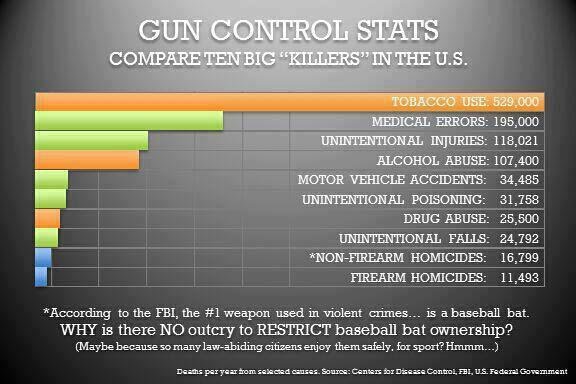
Our Idiot in Chief using his Prompter

"I go skeetshooting all the time" LOL
"What Difference Does it Make?"


And it begins...God Help us

Watching Americans die in Benghazi, and not assisting, leads to:

What have we done...

Oct. 25th, 2012 cover, New York Post

Benghazi-Gate is the end of O's political career whether he wins re-election or not. Let's make it not.
Words spoken were never truer...and he said them!!!

If looks could kill...

"Thanks for ruining our 20th anniversary meanie!"
DEFICIT!

Obamanation

This flag desecrator must be stopped NOW!!!

Dear Leader violates the Flag Code. He should be arrested for putting his image on the flag while being a sitting POTUS. People have died for our Flag. These $35 flags from obama.com are a National disgrace.

Now that's funny!

Try putting this one on your Dane County SUV!!!
The New Obama Slogan

Those guys are working overtime over there
My buddy Al G. from near Detroit took this photo...

What kind of a vile, despicable person drives this car? (A Hyundai in Detroit as well)

Thank goodness we're all computer-savvy!

This Massachusetts billboard gets it right!
The best empty chair photo I've seen so far!

Thank you Clint Eastwood for the Empty Chair!!! Great stuff!
June 28, 2012

The day the people were forced to take back their country
I don't care who you are, that's funny!

The great Paul Ryan

Romney for 8, Ryan for 8, Walker for 8, Rubio for 8. Then we die old & happy.

This is perfect for Andrea Mitchell, since she already is a dog!

June 18, 2012

The Wisconsin Boys welcome the next POTUS to WI, the state that saved a country!
Obamacare

What could possibly get between you and your doctor?
Congratulations to all the 54% ers!

Your kids all thank you!

Got it Leftists? Understand? I didn't think so...


The 1770's flag has made a huge comeback, and for good reason...
"Here's to hoping this isn't your kids' teacher"


Obama's New Bill of Rights

"he even writes lefty"
Obama Marketing team is hard at it!

Another great campaign slogan: "Transparency!"
New campaign slogan for the Obummer juggernaut

Those marketing folks are working overtime over there...
Let's drive a little more carefully this time, OK?

Please stay in the right lane...

Don't let the Takers defeat the Makers: Defeat Obummer in 2012

I'm kinda diggin' the new slogan: transparency finally?

Dads Against Daughters Dating Democrats

"available at fine clothiers and wherever English is Spoken"
Ronald Reagan

"Republicans believe every day is the 4th of July, Democrats believe every day is April 15th."
www.thoseshirts.com

Close your eyes...breathe deeply...imagine...
A clause that didn't make the final draft
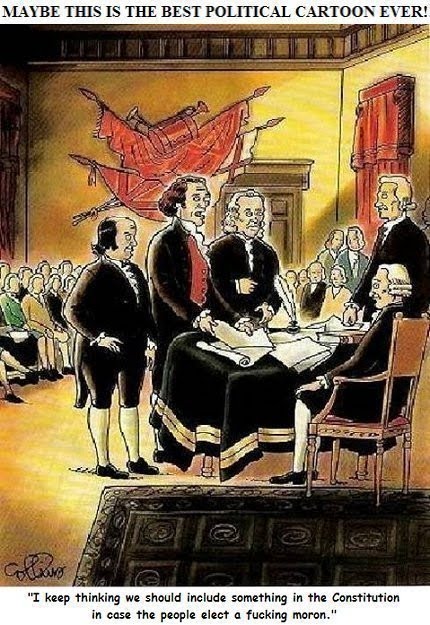
"Thomas, I really think we ought to include this???"
The Bill of Rights
"or what lefties refer to as, those pesky little first 10 amendments that prevent us from stomping on the great unwashed"
I wonder what he's thinking now???
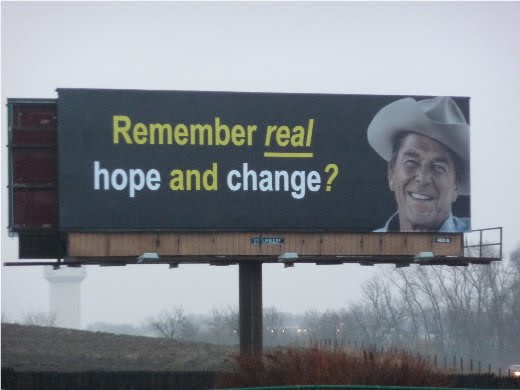
Ronaldus Magnus, on a billboard in the Twin Cities